

Can You Track a Wallet Without an AirTag?
AirTag is the most well-known tracking device for Apple users. But it’s not the only way to track a wallet.
If you’ve ever wondered whether you can track your wallet without using an AirTag, the answer is yes. And in many cases, it’s actually more practical.
Quick answer
Yes — you can track a wallet without an AirTag. An Apple Find My compatible wallet tracker card can appear inside the same Find My app while fitting flat inside a normal card slot.
- No round AirTag bulge inside the wallet.
- No extra tracking app required when the card works with Apple Find My.
- A card-shaped tracker is designed specifically for wallets and cardholders.
- Find My tracking is useful for last known location, nearby sound, and everyday recovery.
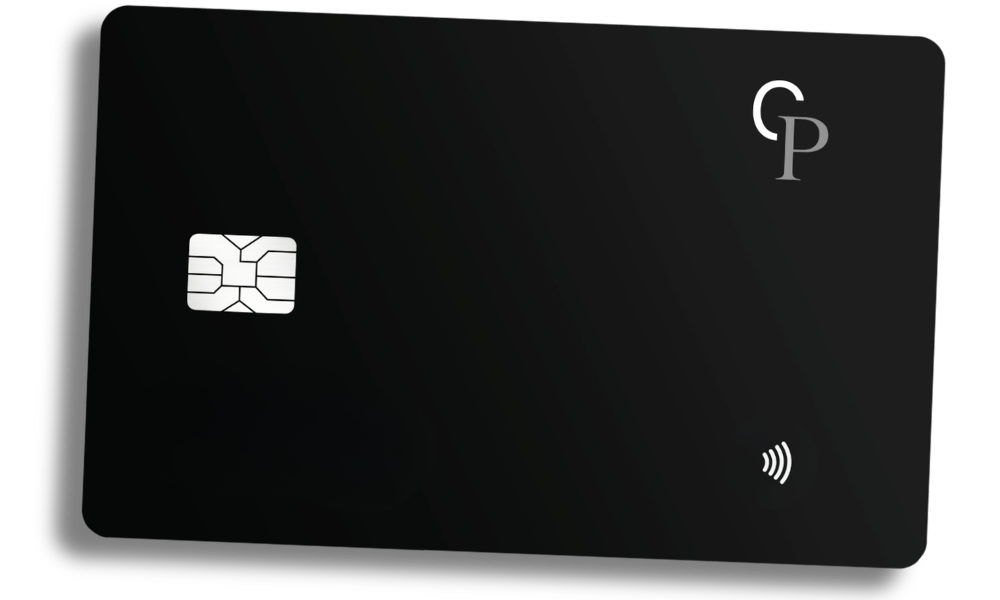
Track your wallet without the AirTag bulk.
A 1.8 mm rechargeable wallet tracker card that connects directly to Apple Find My and fits inside a standard card slot.
Why AirTag isn’t always ideal for wallets
AirTag was designed as a general-purpose tracker. It works great for keys, bags, or attaching to objects.
But wallets are different.
- They’re flat.
- They’re carried in pockets.
- They’re meant to stay slim.
Adding a round AirTag to a wallet often creates a noticeable bulge. Some people use special AirTag wallets to compensate, but that requires changing your wallet entirely.
Reality: AirTag tracks well. It just wasn’t originally designed to disappear inside a standard wallet.
What are the alternatives?
Today, several wallet tracker cards are built specifically to fit inside a credit card slot.
The best ones are Apple Find My compatible, meaning they integrate directly with the Find My app just like other supported Find My accessories.
- No extra tracking app required.
- No subscription needed.
- Uses Apple’s Find My network.
Important distinction: you don’t need an AirTag to use Apple Find My. You need a tracker or accessory that is compatible with the Find My network.
If you are specifically comparing wallet form factors, see our AirTag wallet vs wallet tracker card comparison.
How does tracking work without AirTag?
Apple Find My compatible wallet tracker cards use Bluetooth to communicate with nearby Apple devices participating in the Find My network.
Nearby Apple devices can detect the secure signal and help relay location information through the Find My network. You then see the wallet tracker’s location inside the Find My app.
Functionally: a Find My wallet tracker card gives you the core wallet-recovery features most people care about — seeing its location in Find My and playing a sound when supported and nearby — but in a flat, wallet-native form factor.
For a deeper explanation, read does Apple Find My work without internet?
When is a wallet tracker card better than AirTag?
Wallet tracker card makes more sense if:
- You don’t want to change wallets.
- You prefer a flat design with no bulge.
- You want the tracker to blend in visually.
- You want it to sit in a normal card slot.
AirTag makes more sense if:
- You are tracking keys, luggage, or a bag.
- A round form factor is not a problem.
- You want an Apple-made tracker.
- You use a wallet specifically designed around an AirTag.
The best tracking solution is the one you don’t remove. Comfort matters.
So do you actually need an AirTag?
Not necessarily.
AirTag is one option inside Apple’s ecosystem. But Apple Find My compatible wallet tracker cards can give iPhone users Find My access in a form factor designed specifically for wallets.
CarryPeace Tracking Card connects directly to Apple Find My, fits into a standard wallet slot, and provides tracking without changing how you carry.
The practical difference: tracking doesn’t require a round tag. It requires the right network and a form factor you’ll actually keep with you.
Final thought
You can absolutely track a wallet without an AirTag. For iPhone users, a Find My compatible wallet tracker card is often the cleaner option when the goal is to keep a normal wallet flat while still having a way to locate it.
If you want a tracker that disappears into a card slot instead of changing the shape of your wallet, that is exactly what the card form factor is built for.