

Rechargeable Wallet Tracker Card vs Replaceable Battery
When choosing a wallet tracker card, battery type matters more than it first seems. Rechargeable and replaceable-battery trackers can both work well, but they create very different ownership habits over time.
This guide compares the practical differences so you can choose a wallet tracker that stays easy to maintain, easy to carry, and ready when you actually need it.
Quick answer
For most people using a slim wallet every day, a rechargeable wallet tracker card is the simpler long-term option. You recharge the same card when needed instead of opening the tracker and buying replacement cells.
- Rechargeable cards reduce ongoing battery purchases and parts swaps.
- Replaceable batteries can offer long intervals between maintenance.
- Battery type does not determine Find My tracking quality.
- For a wallet, convenience and form factor usually matter more than maximum runtime on one battery.
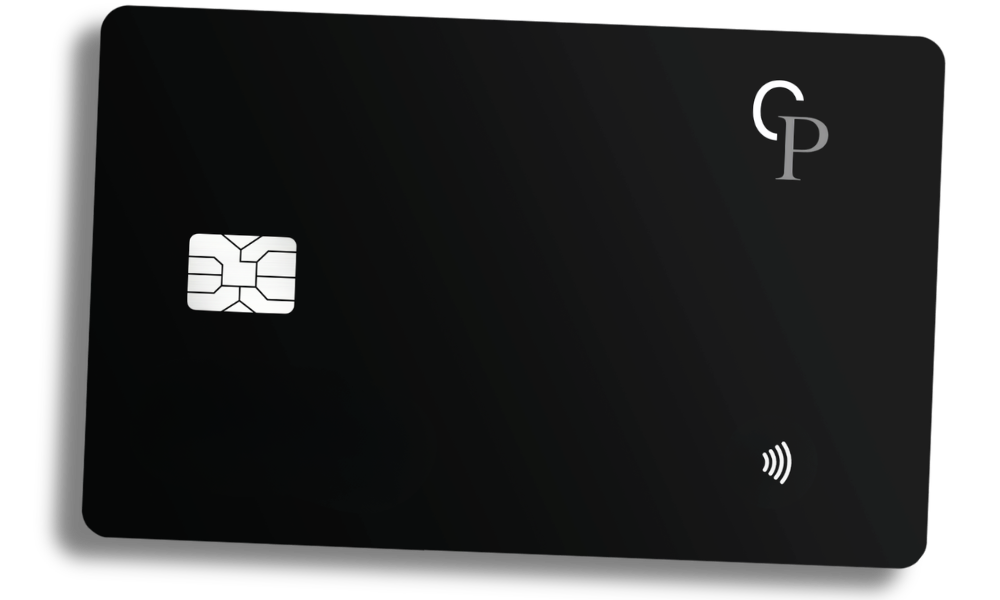
Recharge it. Keep it. Skip the battery swaps.
CarryPeace is a 1.8 mm rechargeable wallet tracker card that connects directly to Apple Find My and is designed to stay in a standard card slot.
Replaceable-battery wallet trackers
Replaceable battery trackers use small coin-cell batteries, such as CR2032 cells, that are swapped when depleted.
Long stretches between battery changes
A replaceable cell can last a long time depending on the tracker and usage, which appeals to people who do not want to think about charging.
You still need replacement cells
When the battery is depleted, you need the correct replacement on hand and a tracker design that allows the battery to be accessed.
Rechargeable wallet tracker cards
Rechargeable wallet tracker cards use a built-in battery that can be topped up periodically rather than replaced. The main advantage is simple long-term ownership: one tracker, one battery system, and no recurring coin-cell purchases.
Recharge the same card
You do not need to buy or store spare coin cells. When the battery gets low, you recharge the tracker and put it back in your wallet.
Predictable maintenance
Rechargeable designs suit people who already charge phones, watches, earbuds, and other everyday devices as part of a normal routine.
Rechargeable vs replaceable at a glance
| Feature | Rechargeable tracker card | Replaceable-battery tracker |
|---|---|---|
| Ongoing purchases | No replacement battery required | Requires compatible replacement cells |
| Maintenance style | Recharge periodically | Open tracker and swap battery |
| Typical appeal | Simple long-term everyday use | Long intervals between battery changes |
| Tracking quality | Depends on tracking network, not battery type | Depends on tracking network, not battery type |
| Best fit | People comfortable charging everyday tech | People who prefer battery replacement over charging |
Reality check: battery type does not make a tracker better at finding your wallet. It changes how you maintain the device between those moments.
Battery life expectations
Battery life varies by tracker, battery capacity, Bluetooth activity, alert usage, and product design. Replaceable-battery models may run for long periods on one coin cell, while rechargeable wallet tracker cards are designed to be topped up and reused.
The useful question is not only “Which lasts longer?” It is also “Which maintenance routine am I more likely to follow?” A tracker with impressive battery life is still useless if it is sitting dead in a drawer when your wallet goes missing.
Maintenance and convenience
The biggest difference between the two battery systems is what happens when the tracker eventually needs attention.
Swap the battery
Keep the correct battery available, open the tracker when needed, remove the old cell, and install the new one.
Top it up
Charge the existing tracker when the battery is low, then return it to your wallet. No cell replacement or battery inventory is required.
Which battery type is better for a wallet?
Both systems can work, but wallet tracking puts extra importance on simplicity. The best tracker is one that stays inside the wallet continuously instead of becoming another gadget you have to manage.
A rechargeable wallet tracker card makes the most sense for people who prefer one reusable device and are comfortable charging it occasionally. A replaceable-battery model may make more sense if you strongly prefer longer intervals between maintenance and do not mind keeping spare batteries available.
Decision driver: choose the battery system you are most likely to maintain consistently. A tracker only helps when it has power and is still in your wallet.
Why CarryPeace uses a rechargeable design
CarryPeace is designed around low-friction everyday carry. The card stays slim enough for a normal wallet slot, works directly with Apple Find My, and can be recharged instead of opened for battery replacement.
That fits the broader CarryPeace idea: useful travel and everyday-carry products should remove friction, not create another maintenance problem.
Final thought
Rechargeable and replaceable-battery wallet trackers can both do the job. The difference is ownership experience: one asks you to recharge, the other asks you to replace.
For a device that is meant to disappear into your wallet and stay there for the long term, the simpler routine is often the better one.