

What to Do If You Lost Your Wallet on a Plane
If you lost your wallet on a plane, speed matters. The aircraft may be cleaned, boarded again, or sent to another destination, so the best move is to contact cabin crew or gate staff immediately, give your exact flight and seat details, and secure the cards and ID inside.
Whether you left your wallet in the seat pocket, under the seat, in the lavatory, or only noticed it was missing after leaving the airport, the recovery process is easier when you know who to contact and what to do first.
Quick answer
If you lost your wallet on a plane, tell cabin crew or gate staff immediately if you are still nearby. Give them your flight number, seat number, route, and a clear description of the wallet. At the same time, freeze bank cards and protect any ID or passport that was inside.
- Still on the aircraft: tell cabin crew before you leave.
- At the gate: speak to airline staff immediately and give your seat number.
- Already left the airport: file an airline lost property report and contact the arrival airport if the airline directs you there.
- Freeze bank cards while the search is happening.
- If ID or a passport was inside, start the relevant reporting process if the wallet is not recovered quickly.
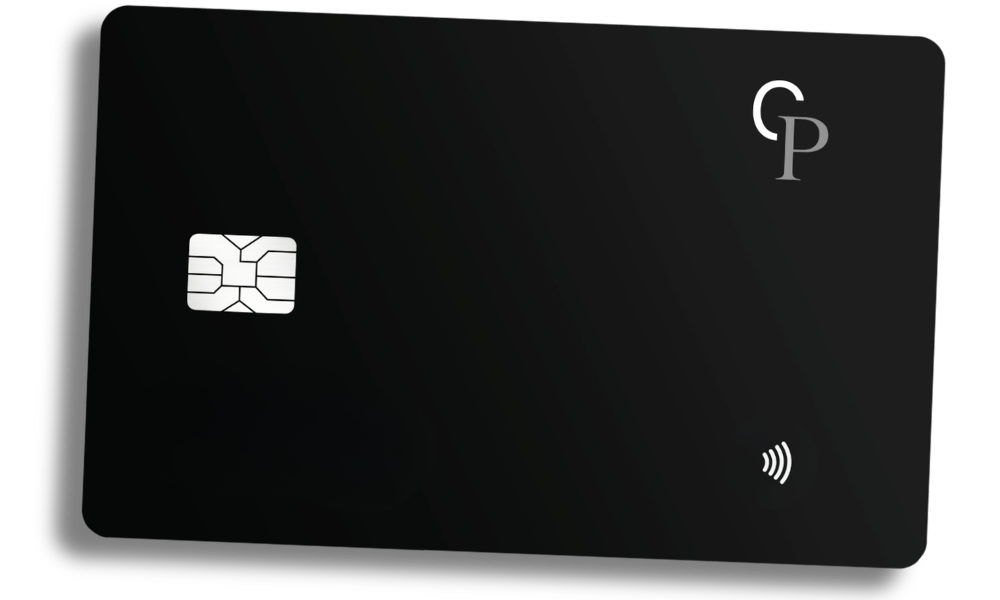
Make the next search easier.
Keep a 1.8 mm rechargeable tracker card inside your wallet. If it goes missing during a flight or airport transfer, Apple Find My can help you check its last known location and play a sound when it is nearby.
What to do based on where you are now
If your wallet was left on a plane, the fastest route depends on how far you have moved from the aircraft. Airline and airport lost-property processes vary, but these are the practical first steps.
Tell cabin crew now
Give your seat number and check the seat pocket, floor, seat gaps, and the area under your seat before leaving.
Go straight to airline staff
Ask whether the aircraft can still be checked. Have your flight number, route, seat number, and wallet description ready.
File the lost-property report
Contact the airline first and follow its lost-item process. If needed, also contact the arrival airport lost property office.
What to do first if you lost your wallet on a plane
If you notice your wallet is missing while you are still near the aircraft, time matters. Cleaning teams, new passengers, or another flight may be involved soon.
Tell cabin crew or gate staff immediately
If you are still on the aircraft, tell cabin crew before leaving. If you are already in the terminal, return to the gate and speak to airline staff as quickly as possible.
Give your seat number and flight details
Provide the flight number, date, route, seat number, cabin or boarding group if useful, and where you think the wallet may have fallen.
Freeze your bank cards
If bank cards were inside, freeze them through your banking app while the airline checks. If freezing is not available, contact your bank or card issuer.
Submit an airline lost-property report
If staff cannot check immediately, use the airline's lost-property process and include a precise description of the wallet and where you last had it.
Protect ID and travel documents
If your ID, passport, residence card, driving licence, or access card was inside, follow the relevant reporting or replacement process if the wallet is not recovered quickly.
Simple rule
If you notice the wallet is missing while you are still near the gate, do not wait. Your seat number is one of the most useful details you can give airline staff because it narrows the search to a specific part of the aircraft.
Where to check if your wallet was left on the plane
Wallets are often misplaced during boarding, sleeping, reaching for bags, using the seat pocket, visiting the lavatory, or leaving the aircraft in a hurry.
| Plane location | What to check | Why it matters |
|---|---|---|
| Under your seat | Ask staff to check under and around your seat row. | Wallets can slide out of pockets during takeoff, landing, sleep, or when you reach for bags. |
| Seat pocket | Check the pocket, magazines, and safety-card area. | People often place wallets there temporarily and forget them when deplaning. |
| Between seats | Ask staff to inspect seat gaps, armrests, and the side of the seat. | Small items can slip into narrow spaces that are difficult to see while standing. |
| Overhead bin | Check your bag and the area where your luggage was stored. | A wallet can fall from a pocket or bag while luggage is being moved. |
| Aisle or floor | Check around your row and the path you used while boarding or leaving. | Wallets may fall during boarding, deplaning, or when clothing pockets are opened. |
| Lavatory | Tell crew if you may have left it there. | Passengers may put a wallet down while adjusting clothing or carrying personal items. |
How to contact the airline about a lost wallet
For an airline lost-property wallet report, detail matters. Airlines and airports process many lost items, so a specific report is easier to match than a generic “black wallet lost on flight” message.
Information to include
- Airline name and flight number
- Flight date and route
- Departure and arrival airports
- Seat number and cabin
- Wallet colour, material, brand, size, and any distinctive marks
- Where you think it may be: seat pocket, under the seat, floor, overhead bin, or lavatory
- Important contents such as ID or cards, without posting full card numbers or sensitive details publicly
- Your contact details and, if available, the lost-property report number
“Hi, I believe I left my wallet on flight [flight number] from [departure] to [arrival] on [date]. My seat was [seat number]. The wallet is [colour/material/brand] and may have been in the seat pocket, under the seat, or near my row. Could you please check the airline lost-property process and any aircraft cleaning report for this flight?”
Airline or airport? The exact process depends on the carrier and airport. Some airlines handle items found on the aircraft directly; others route them through an airport or third-party lost-property service. Start with the airline and follow the handoff they provide.
What to do if the lost wallet had bank cards, ID, or a passport
While the airline searches, secure what was inside. Do not assume the wallet will be found quickly.
If bank cards were inside
Freeze your cards through your banking app if that option is available. If the wallet is not found quickly, suspicious transactions appear, or theft is possible, contact your bank about cancelling and replacing the cards.
If ID was inside
If your ID card, driving licence, residence card, or work access card was inside, follow the relevant reporting and replacement process. If you are abroad, use official local or consular guidance for the document involved.
If your passport was inside
If you lost your passport on a plane, contact the airline and airport lost property first, then contact the relevant embassy, consulate, or passport authority if you need to continue travelling or the passport is not recovered.
For more specific guidance, read what to do if you lost your wallet with bank cards inside and what to do if you lost your wallet with ID inside.
What if you already left the airport?
If you only notice the wallet is missing after leaving the airport, run two tracks at the same time: submit the lost-property report and secure your cards and documents.
You know it was on the flight
Submit the airline's lost-property report with your flight number, seat number, date, route, and a detailed wallet description. Mention the exact place you last remember seeing it.
You are not sure where it was lost
Check the airline, arrival airport, departure airport, baggage claim, taxi or rideshare, hotel, and any other place you used immediately after landing.
If you had a tracker inside your wallet, check its last known location. That may help you narrow the search between the aircraft, gate area, baggage claim, transport, or another stop after the flight.
Can a wallet tracker help if you lost your wallet on a flight?
Yes. An Apple Find My wallet tracker can give you an extra clue when a wallet disappears during a flight or airport transfer. You can check the last known location in the Find My app and, when the tracker is nearby, use the sound feature to help locate it.
The most useful part is often narrowing the search. If the last known location still points to the airport or aircraft area, that information can make your lost-property report more specific.
Important limitation: Apple Find My compatible wallet trackers are not live GPS devices. Location updates depend on the Find My network and nearby Apple devices. A tracker can support your search, but it does not replace airline lost property, card freezing, or ID protection.
For more detail on the technology, read does Apple Find My work without internet? and what “Last Seen” means in Apple Find My.
How to prevent losing your wallet on a plane next time
A wallet left on a plane is often the result of one small routine change: moving it to a seat pocket, putting it down while handling a passport, or rushing during deplaning. A fixed travel routine removes many of those moments.
- Do not place your wallet in the seat pocket unless absolutely necessary.
- Use one fixed zipped pocket or bag compartment for your wallet during flights.
- Before leaving the plane, check wallet, phone, passport, headphones, and bag.
- Keep one backup payment card separate from your main wallet while travelling.
- Remove unnecessary cards before flying.
- Turn on bank-card transaction notifications.
- Keep a slim wallet tracker card inside your wallet before the trip.
- Check the seat pocket, under the seat, and the floor before leaving the row.
For more travel safety guidance, read what to do if you lost your wallet at the airport, how to prevent losing your wallet while traveling, and how to choose a wallet tracker for travel.
FAQ
What should I do first if I lost my wallet on a plane?
Tell cabin crew or gate staff immediately if you are still near the aircraft. Give them your flight number and seat number, then freeze your bank cards while the search is happening.
Who do I contact if I left my wallet on a plane?
Start with cabin crew or gate staff if you are still at the airport. If you have already left, use the airline's lost-property process. The airline may direct you to an airport or third-party lost-property service depending on where found items are handled.
Can an airline find a wallet left on a flight?
Yes, wallets may be found by cabin crew, cleaning teams, ground staff, or later passengers. A detailed report with your flight number, seat number, wallet description, and likely location makes the item easier to match.
Should I cancel my cards if my wallet was lost on a plane?
Freeze them first if your bank provides that option. If the wallet is not found quickly, suspicious transactions appear, or theft is possible, contact your bank about cancelling and replacing the cards.
What if my passport was inside the wallet?
Contact the airline and airport lost property, then use the relevant embassy, consulate, or passport authority if the passport is not recovered or you need documents to continue your trip.
Can a wallet tracker help after a flight?
Yes. A compatible tracker can help show a last known location or play a sound nearby. It is not live GPS and does not replace airline lost-property reports or card and ID security steps.
What if my wallet still shows at the airport in Apple Find My?
Use the location as a clue rather than proof of the wallet's exact current position. Include the last known airport or terminal area in your lost-property report and keep checking for newer updates.
Final thought
If you lost your wallet on a plane, act quickly while the aircraft, gate, and airline staff are still connected to your flight. Give your seat number, flight details, likely location, and wallet description as early as possible.
At the same time, protect what was inside. Freeze cards, watch for suspicious transactions, deal with ID or passport issues if necessary, and use any tracker location as one more clue in the recovery process.